Amethyst Variations
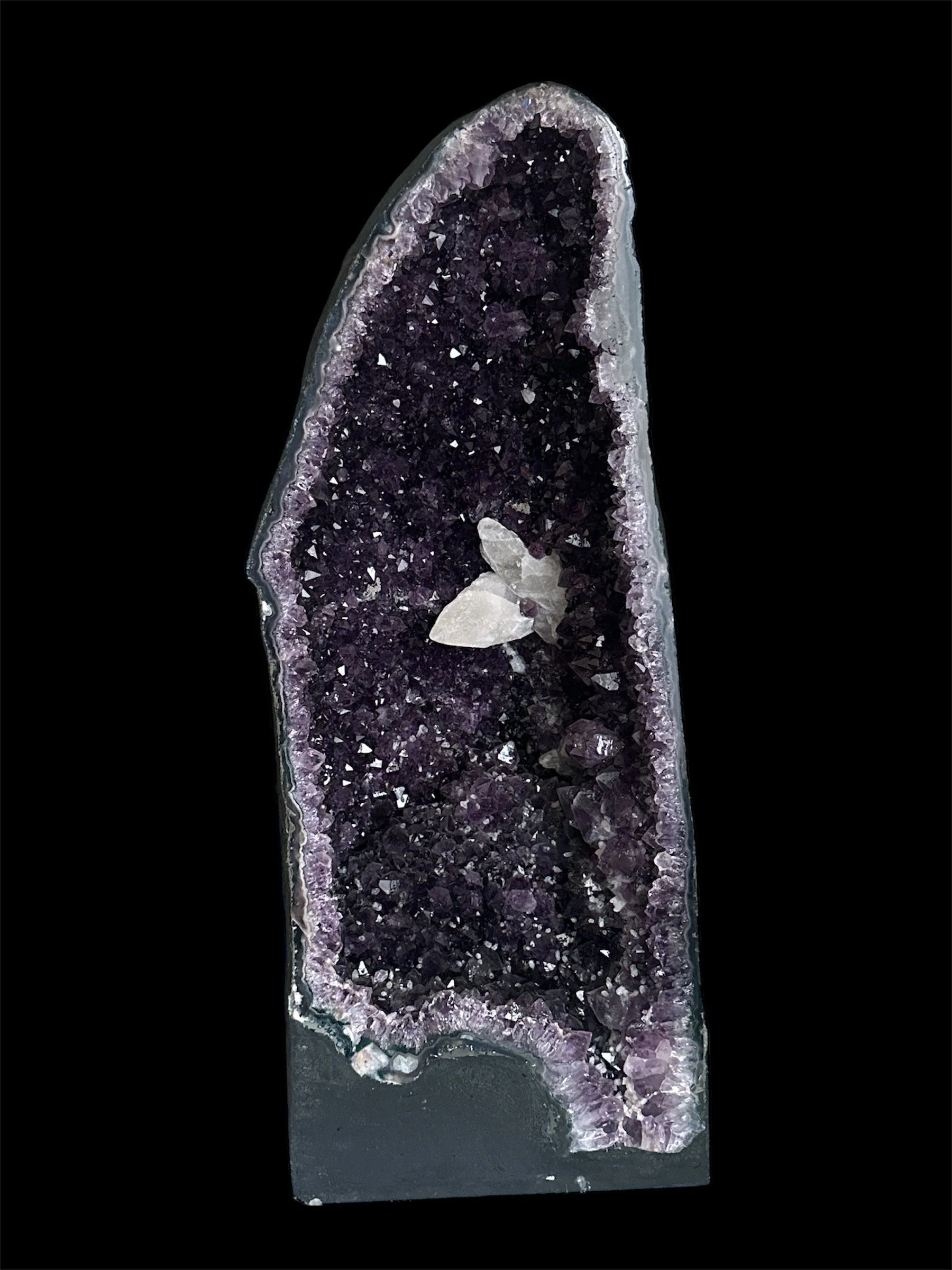
Amethyst from Brazil and Uruguay represents the pinnacle of quality and beauty within the world of quartz gemstones. Formed deep within ancient volcanic rock, these violet crystals are the result of precise geological conditions, trace iron, natural irradiation, and immense time, coming together to create stones of remarkable color and clarity. For centuries, South America has been recognized as the global heartland of amethyst production, setting the benchmark by which all other sources are measured.
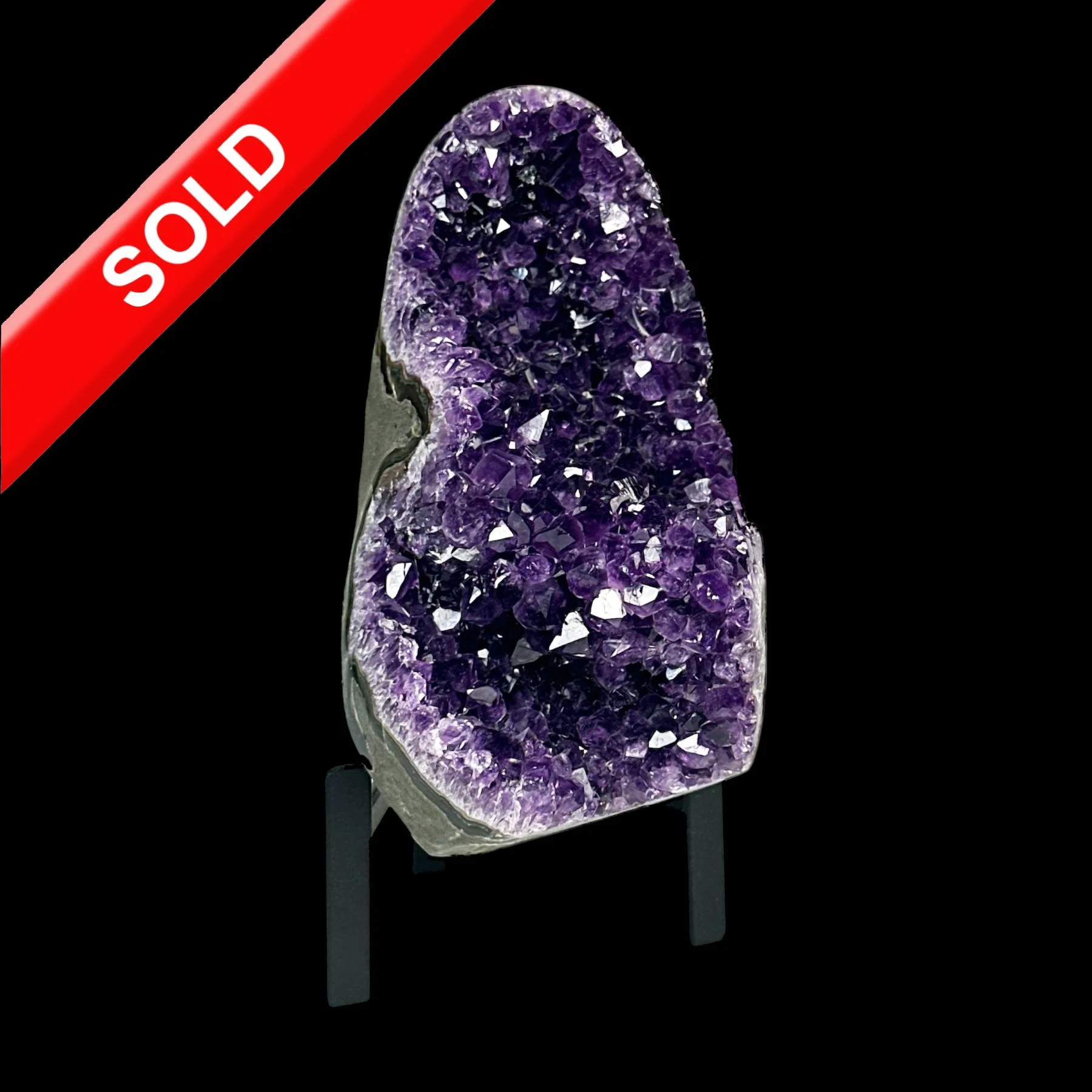
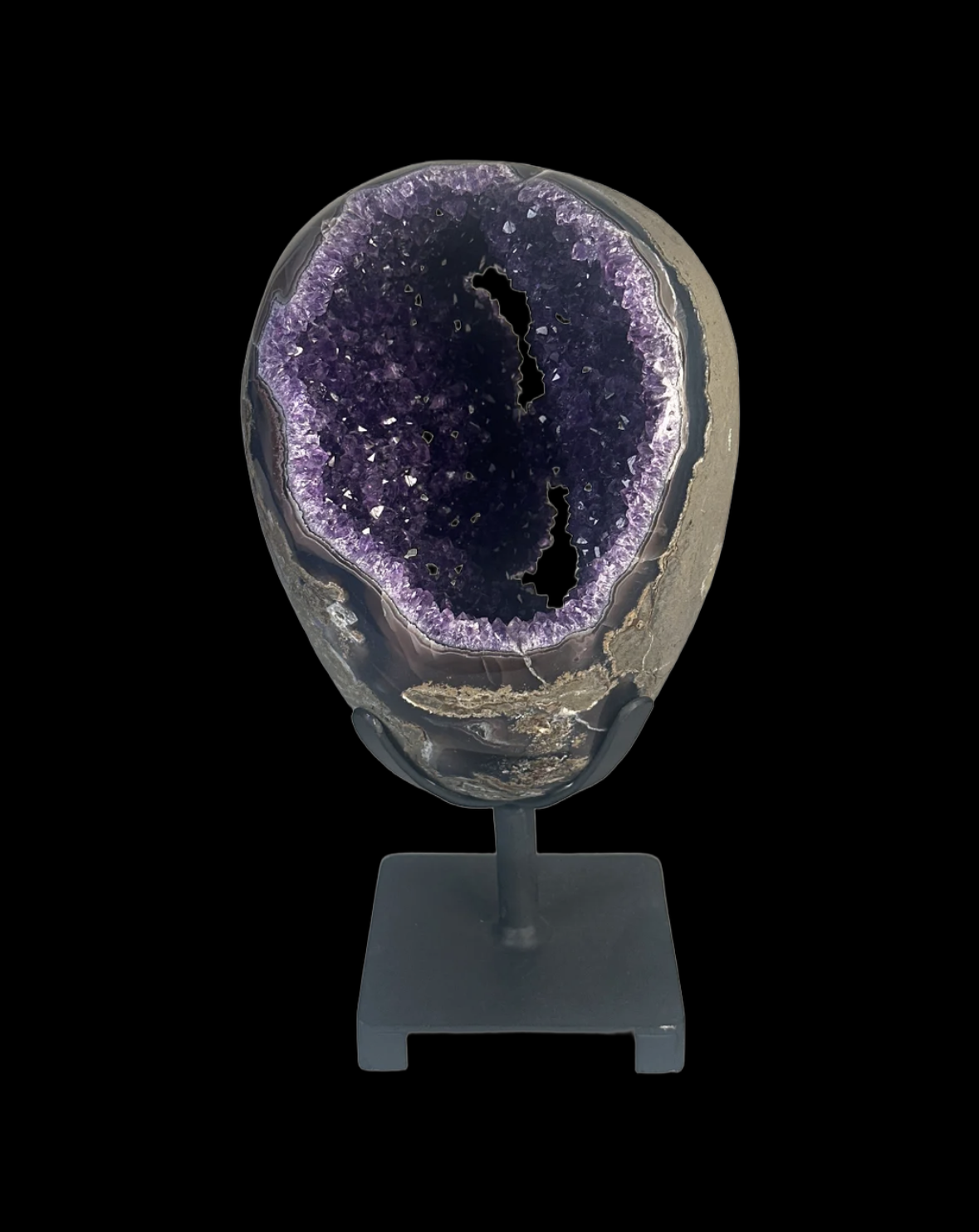
What distinguishes Brazilian and Uruguayan amethyst is not only origin, but variation. Brazilian amethyst is known for its diversity, appearing in hues that range from pale lilac and rose-tinted lavender to medium purple and occasional deep violet. Crystals are often large and well-formed, making Brazil a key source for statement pieces and architectural geodes. Uruguayan amethyst, in contrast, is prized for its consistently rich, saturated color, typically a deep violet with flashes of blue or red, often found in more compact but densely crystallized formations.
Beyond color, variations also include crystal size, transparency, zoning, and growth patterns, each shaped by subtle differences in volcanic activity and mineral composition. These natural distinctions give every amethyst its own character, ensuring that no two pieces are ever exactly alike, and reinforcing the enduring allure of amethyst from Brazil and Uruguay.
Scientific Classification
Scientific name: Amethyst
Mineral species: Quartz
Chemical formula: SiO₂ (silicon dioxide)
Crystal system: Trigonal
Key Features of Amethyst (Brazil & Uruguay)
Color:
Ranges from pale lavender to deep violet. Brazilian amethyst commonly shows lighter to medium purple tones with broader color variation, while Uruguayan amethyst is known for consistently dark, highly saturated violet with blue or reddish flashes.Crystal Formation:
Typically forms as prismatic crystals lining geodes and cavities within basalt. Brazilian deposits often produce very large crystals and expansive geodes; Uruguayan deposits yield smaller but densely packed, sharply defined crystals.Clarity and Transparency:
Generally transparent to translucent, with high clarity in well-formed crystals. Natural color zoning may be present and is considered a desirable indicator of authenticity.Hardness:
7 on the Mohs scale, making amethyst durable and suitable for jewelry, decorative objects, and collector specimens.Luster:
Vitreous (glassy), contributing to its brilliance when polished or cut.Origin Characteristics:
Formed through volcanic activity where silica-rich fluids crystallized over millions of years. Subtle differences in iron content, radiation exposure, and cooling rates account for the distinct visual variations between Brazilian and Uruguayan material.
These features collectively define amethyst as both a scientifically significant mineral and a highly valued gemstone, with Brazil and Uruguay representing the most respected sources worldwide.